
Phone Call Recording Laws: What You Need to Know
Thinking of recording a call? Here’s what to know about one- and two-party consent laws, disclosure rules, and using recordings safely.


Recording a call doesn’t automatically make you a secret agent or a snoop. Journalists use recording tools to stay present during interviews. Lawyers and paralegals often record depositions or client calls to ensure accuracy. Patients may want a record to remember every detail of a conversation with their doctor. And business professionals of all kinds rely on recordings to create accurate transcripts of interviews or meetings.
Still, the key question when recording calls isn’t your intentions, but the consent and awareness of the parties involved. U.S. laws on call recording trace back to anti-wiretapping rules, which vary by state. Even when no law applies, it’s still courteous (and often wise) to let everyone in the conversation know they’re being recorded.
So, how can you tell whether getting permission is a nicety or if it’s regulated by law? Here’s what to know about federal and state call recording laws.
Laws About Recording Phone Calls By State
When it comes to recording phone calls, consent laws vary from state to state. In most of the U.S., only one person in the conversation needs to know the call is being recorded. However, several states require the person recording to get permission from everyone involved first.
Failure to follow these rules can expose you to serious legal risks, especially if the recording involves parties in multiple states. That’s why it’s important to know which type of consent law applies before pressing “record.”
Here’s a quick overview of where call recording laws stand in each state:
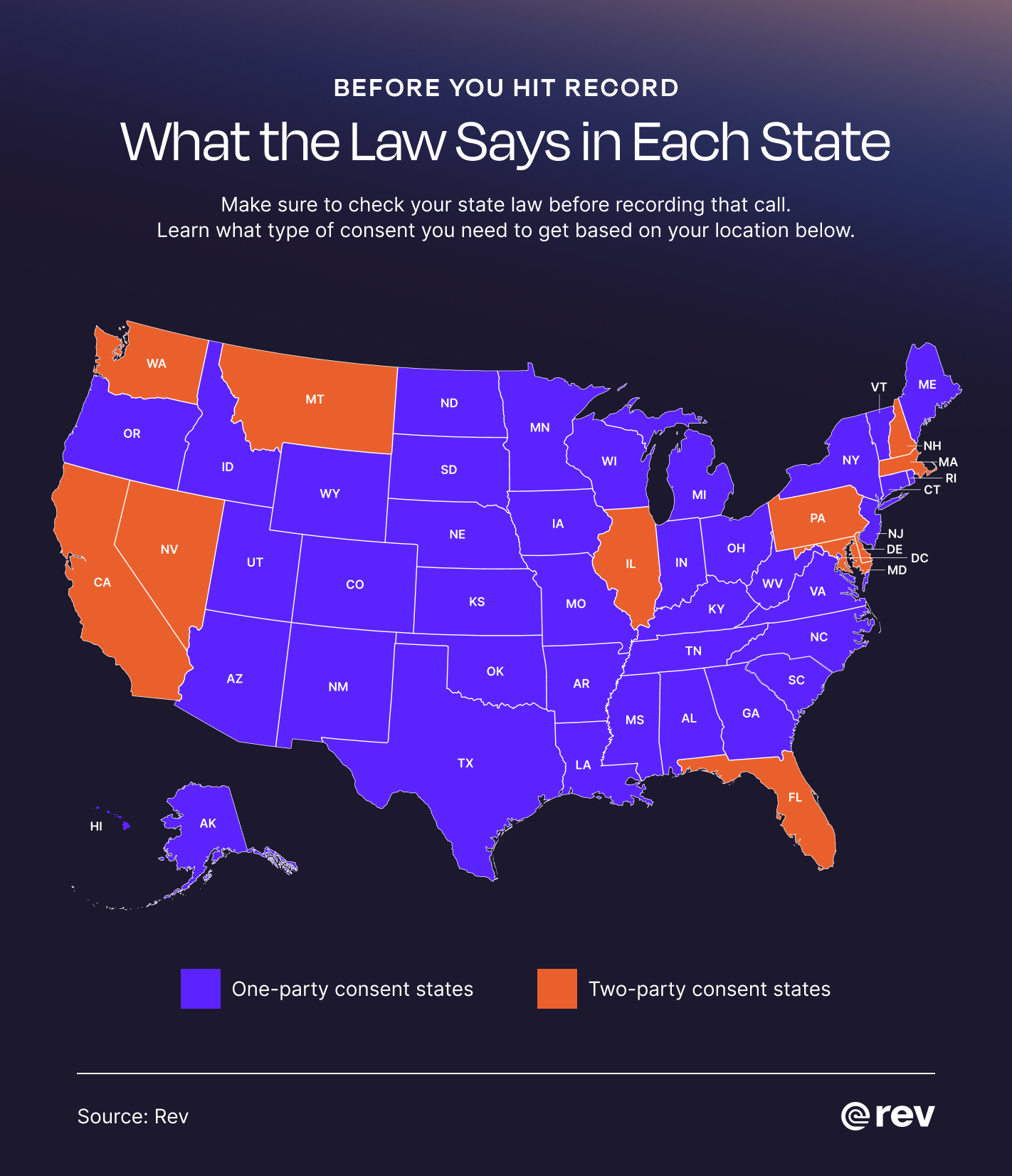
One-Party Consent States (38 + D.C.):
Alabama, Alaska, Arizona, Arkansas, Colorado, Connecticut*, Georgia, Hawaii, Idaho, Indiana, Iowa, Kansas, Kentucky, Louisiana, Maine, Michigan*, Minnesota, Mississippi, Missouri, Nebraska, New Jersey*, New Mexico, New York, North Carolina, North Dakota, Ohio, Oklahoma, Oregon, Rhode Island, South Carolina, South Dakota, Tennessee, Texas, Utah, Virginia, West Virginia, Wisconsin, Wyoming, and the District of Columbia.
All-Party (Two-Party) Consent States (11):
California, Delaware, Florida, Illinois, Maryland, Massachusetts, Montana, Nevada, New Hampshire, Pennsylvania, and Washington.
*States with nuanced or situational consent laws depending on the situation; check local statutes before recording.
One-Party Consent Versus Two-Party Consent
The difference between one-party and two-party consent laws comes down to who needs to know a recording is taking place.
Under one-party consent laws, a recording is legal as long as one person in the conversation agrees to it. In other words, if you’re part of the call, you can record it without notifying the other person.
By contrast, two-party consent states require every participant to agree. The term “two-party” is simply the opposite of “one-party,” not a literal count of two individuals. So, if five people are on a conference call, it’s illegal to record the phone call without consent from all five of them.
Notice one missing state? Vermont, the outlier, has no specific statute and therefore defaults to federal one-party consent rules. In that case, you can record a conversation as long as you’re an active participant.
These varying rules make cross-state recordings especially sensitive.
“Even when it is your home state or the one-party consent state, but you are conversing with someone in the two-party consent state, then you have to abide by the law of the state,” says Robert Tsigler, attorney at Law Offices of Robert Tsigler. “The solution that can be proposed is to receive explicit consent at the start of every call.”
All-Party Consent
All-party consent law is simply another name for two-party consent, meaning that everyone taking part in a conversation must know about and agree to the recording. This rule applies regardless of how many people are involved — whether it’s a two-person interview or a multi-participant meeting.
The goal of all-party consent laws is to protect privacy and prevent unauthorized surveillance or “wiretapping.” If you record a call in one of these states without permission from every participant, you could face civil penalties, criminal charges, or both.
Exceptions to Consent Laws
In limited circumstances, consent laws don’t apply or operate differently:
- Law enforcement: Police or federal agencies can record calls or intercept electronic and digital communications with a court-issued warrant or order, as authorized under the Omnibus Crime Control and Safe Streets Act of 1968 and the Electronic Communications Privacy Act (ECPA) of 1986.
- Public officials or public meetings: Some states exempt official proceedings or public hearings from consent requirements.
- Wiretapping under federal law: The federal Wiretap Act (18 U.S.C. § 2511) — part of the ECPA — sets a baseline one-party consent rule, meaning a recording is legal if at least one participant consents. However, secretly recording a conversation you’re not part of (e.g., eavesdropping) is still illegal.
- Workplace and business exceptions: Some organizations may record customer-service calls or security footage under disclosure policies or consent notices, which serve as implied consent.
Despite some exceptions, it’s safest to inform everyone before recording — especially if participants are located in different states.
Recording Disclosure Laws
Even when it’s legal to record a call, some states and businesses also require recording disclosure — letting participants know the call is being recorded. A simple verbal notice (“This call may be recorded for quality assurance”) or an audible beep is usually enough.
For inbound calls, prerecorded messages often meet disclosure requirements before the call connects. For outbound calls, the caller must inform the other party and obtain consent before proceeding. Continued participation after disclosure typically counts as agreement.
Video meetings follow the same rules. Consent laws apply whether you’re recording a phone call or a video conference. Since video recordings capture both audio and images, it’s usually best to notify participants on screen through a pop-up or verbal notice. Platforms like Zoom or Teams automatically display a recording alert to meet these disclosure requirements.
Quick tip: If you’re wondering how to record a phone call properly, the same rules apply whether you’re recording directly on your iPhone or Android or using a third-party app.
Is It Illegal To Record Audio Without Someone Knowing?
In most cases, it’s illegal to secretly record audio when you’re not part of the conversation or when you do not meet your state’s consent requirements. Under the federal Wiretap Act, recording someone else’s private conversation without permission is considered illegal eavesdropping or wiretapping, and violations can result in criminal charges or civil lawsuits.
Different Phone Call Recording Rules
Beyond one-party and all-party consent, the details of how and when consent applies vary by state. In some cases, laws hinge on whether participants of the conversation have a reasonable expectation of privacy. Think about it this way — you generally expect privacy when you’re taking a call from your home, but not in a coffee shop.
States also differ on how consent must be given. Some require explicit verbal or written agreement, while others allow implied consent if participants are clearly notified and continue the conversation. Make sure to confirm how the rules are applied in your state beforehand, or just be safe and get consent every single time.
This distinction is becoming even more important as recording extends into digital spaces.
“Recent developments, especially around ‘meaningful assent’ in online interactions, highlight the need for explicit and conspicuous notice,” says Michael Weiss, attorney at Lerner & Weiss.
“For instance, California courts require clear notice and user action, like clicking a button, for online terms to be binding. AI meeting assistants introduce a layer of complexity where consent for recording or transcription must be carefully integrated into terms of service. The principle we apply is that an ‘ounce of prevention’ in drafting robust policies and obtaining explicit consent prevents major litigation down the road.”
Some state laws add further complications:
- Nevada has a one-party consent law on the books, but its Supreme Court has interpreted the statute as requiring all-party consent for telephone conversations.
- Maryland mandates all-party consent for both in-person and telephone communications under Md. Code Ann., Cts. & Jud. Proc. §10-402, though the law focuses on private conversations rather than public ones.
Given the inconsistencies between state and federal laws on recording conversations, not to mention state interpretations, it’s safest to follow the strictest call recording laws that could apply. In practice, that means getting clear consent from all participants before recording. That keeps you compliant and avoids any misunderstanding, whether you’re doing journalism, marketing, or other interview work.
Recording Phone Calls Across State Lines
When a call involves people in different states, the consent rule that applies isn’t always clear. One person may be in a one-party consent state, while the other is in an all-party state — and each jurisdiction could claim authority over the recording. As a result, there’s no universal rule on which state’s law prevails.
In practice, legal experts recommend erring on the side of caution.
“For clients who regularly do interstate business, I recommend seeking explicit written or recorded consent from each participant at the beginning of each call,” says Emma Alves, lawyer at Alves Law.
“A brief verbal acknowledgment stating, ‘This call is being recorded and all parties consent,’ followed by each party replying ‘yes,’ can minimize ambiguity. This should also be incorporated into an organization’s onboarding and client intake materials so that consent is standardized.”
International Phone Call Recording Rules
Sometimes calls cross not only state lines but also international borders, making consent requirements even more complex. Each country sets its own standards for recording and data privacy.
For example, Canada and the United Kingdom require clear notice and consent from all participants before a call can be recorded, while the European Union’s General Data Protection Regulation (GDPR) treats recorded audio as personal data. That means you must have a lawful basis, such as explicit consent or legitimate business interest, to record or store a call.
If you’re calling or working with people in another country, it’s safest to assume all-party consent applies. Start by notifying every participant that the call will be recorded, documenting their consent, and making sure the recording is stored and handled according to international data protection standards. When in doubt, consult a legal professional familiar with the laws of the countries involved to avoid potential privacy violations.
Penalties for Violating Phone Call Recording Laws
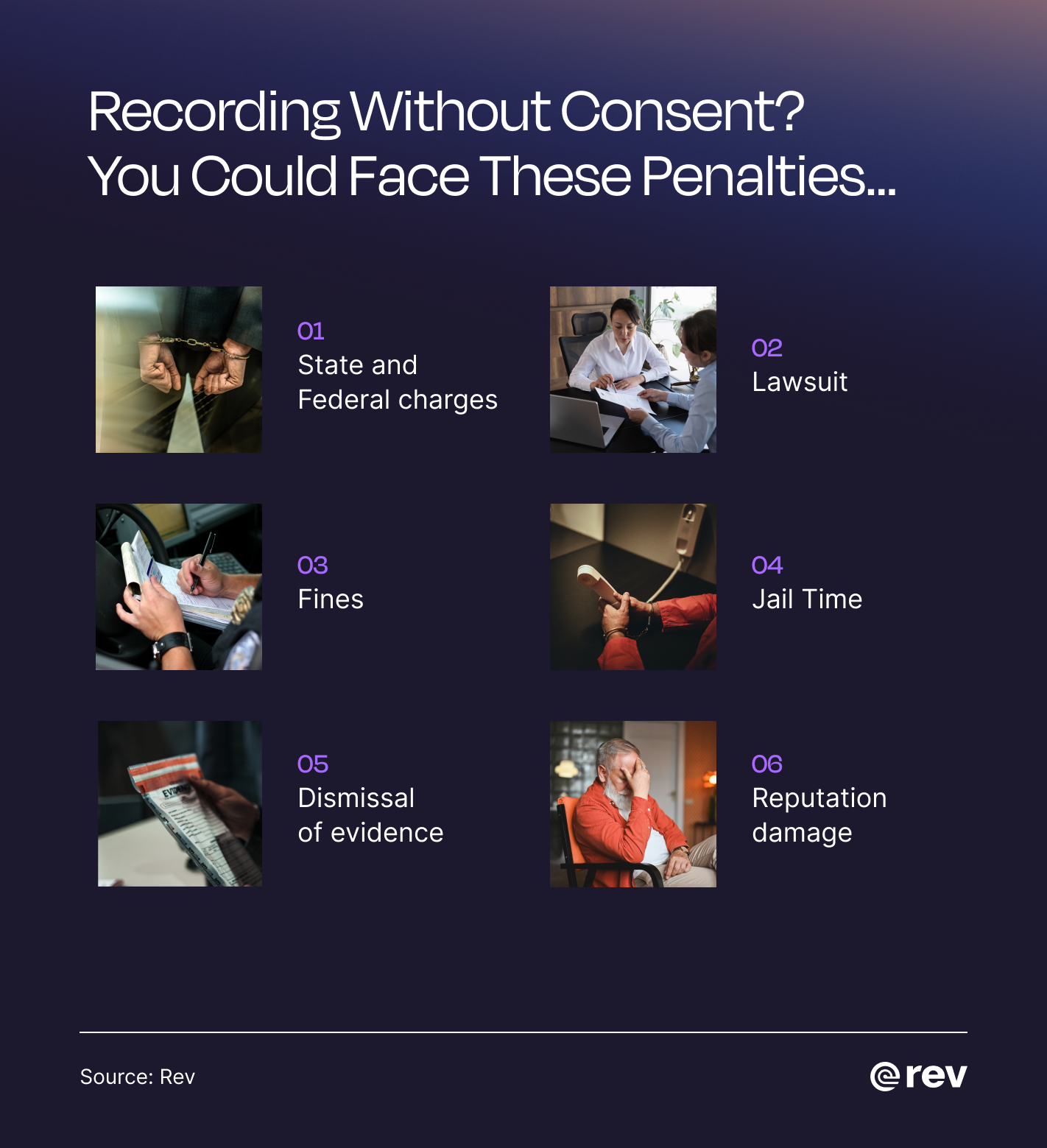
Violating call recording laws can lead to criminal charges, civil lawsuits, or both. In some cases, you could be charged with a more serious felony rather than a simple misdemeanor. Many states apply jail time, fines, or both if you’re found guilty in a criminal court of violating consent laws.
If you disclose your intentions and get everyone’s verbal permission to record, you’re most likely safe. However, if you’re ever in doubt about whether it’s legal to record a phone call, it’s best not to record it. And if recording conversations is part of your everyday work, it might be a good idea to consult an attorney to ensure you’re complying with federal and state consent laws.
Can I Sue Someone for Voice-Recording Me Without My Permission?
Yes — if someone records you without the required consent, you may have grounds for a civil lawsuit under state or federal wiretapping and privacy laws. Many states allow victims to seek monetary damages and recover attorney’s fees.
Your likelihood of success depends on where the recording took place, whether you had a reasonable expectation of privacy, and whether the recorder violated your state’s consent laws. Check with an attorney before pursuing legal action.
How to Get the Most Out of Your Recorded Calls
Once you’ve handled the legal side of recording, the next step is making sure your recordings are useful, professional, and clear. Whether you’re interviewing a source, meeting with a client, or leading a case strategy call, preparing well and following proper etiquette will help you capture high-quality audio and build trust with everyone involved.
Here are a few tips for getting the most from your recordings:
- Be transparent: Always let participants know they’re being recorded and get their verbal OK before you begin.
- Identify speakers: Have everyone introduce themselves at the start, spelling their names for clarity.
- Listen actively: Don’t rely solely on the recording. Stay engaged so you can ask smart follow-up questions.
- Speak clearly: Slow down, avoid talking over others, and minimize background noise or multitasking.
- Maintain professionalism: Watch your tone and avoid distractions like eating, typing, or checking notifications during the call.
- Train your team: Make sure employees who handle recordings understand state and federal consent laws. Regular refreshers can prevent accidental violations.
- Set company-wide policies: Establish clear guidelines for when and how recordings are made, stored, and shared. This keeps everyone on the same page when recordings are passed between departments.
- Audit your recordings: Periodically review recorded calls to confirm staff are obtaining proper consent and handling sensitive data securely.
Recordings are most valuable when they’re easy to reference and share. Journalists, students, and business professionals all benefit from revisiting conversations to verify accuracy, provide context, and gain deeper insights.
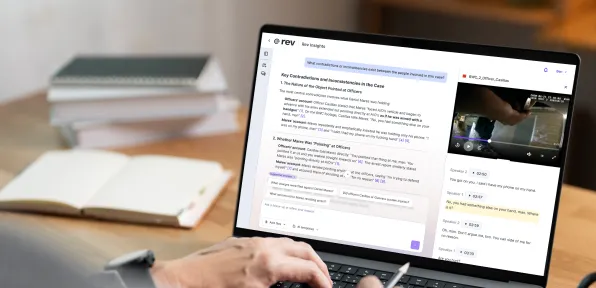
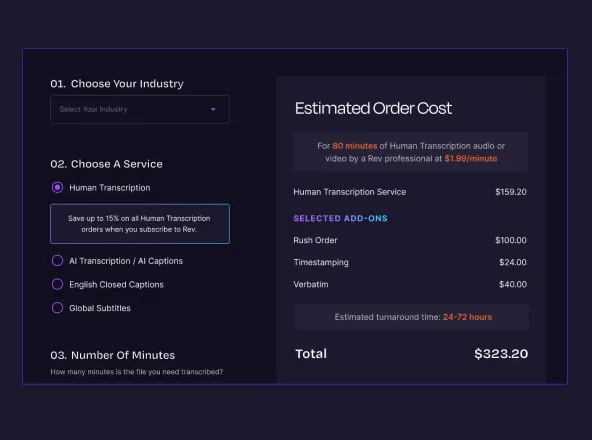
For even faster follow-up, consider using Rev’s Human Transcription or AI Transcription services to turn your recordings into searchable, shareable notes. Rev’s insights tools can even summarize conversations, answer questions, identify who said what, and flag inconsistencies or follow-up items.
Turn Recorded Calls Into Actionable Notes
Learning proper call-recording legislation is important, but the real value in obtaining a proper recording comes from what you do with it. Manually transcribing the dialog from a call or meeting can take hours, time that would be better spent following up on insights or next steps.
That’s where Rev can help. Our human and AI transcription services convert your recorded calls, interviews, and meetings into accurate, searchable text in minutes. Whether you need a verbatim transcript for documentation or a quick summary for your notes, Rev makes it easy to get more out of the conversations you’ve (legally) captured.
With Rev, you can record in-person conversations or upload any clear audio file — from a smartphone, meeting platform, or voice recorder — for fast, secure transcription that takes you from consent to actionable insights in no time.