
New York Court Guideline: A New AI Ruling for Attorneys
The latest AI rule for courts went live in New York on 6/1/26. Here’s what you need to know about the new ruling, and how to use legal AI responsibly.



The latest AI rule for courts went live in New York on June 1, 2026. And while it doesn't ban AI, it does offer some important clarification on AI use in the legal system. Here’s what you need to know about the new ruling, and how to use this technology responsibly.
What Is New York’s Interim Policy?
New York's Interim Policy (also called the Part 161 Ruling) details the use of Artificial technology in all court systems in New York (including civil and criminal cases), and states that using AI is not prohibited, but that attorneys are personally responsible for everything AI helps them produce.
In addition, the use of artificial intelligence by lawyers is not required to be disclosed, as long as attorneys understand the limitations of the tech they are using. When submitting papers, attorneys are basically stating they’ve certified that the papers are accurate and contain no hallucinations.
The rule applies to all briefs, affidavits, pleadings, memoranda, and other documents submitted to a New York state court. In plain terms, it requires three things:
- Review any AI-assisted submission and independently verify it contains no fabricated cases, statutes, or other material before filing.
- Existing ethical duties remain in full force. The duty of candor (22 NYCRR §130-1.1) and Rule 3.3 of the Rules of Professional Conduct apply with or without AI use.
- The signing attorney certifies accuracy — using AI to certify accuracy is not enough; instead, certification comes from a human review.
Individual judges may also adopt the rule's model rule and impose additional requirements, so attorneys should verify each judge's rules at case intake.
Part 161 followed a wave of AI-related filing errors throughout the country in 2025, and sanctions exceeded $145K in Q1 of 2026. The rule's message: use AI if you want, but own what you file.
The Critical Distinction: Filings vs. Evidence
Here's what most coverage misses: Part 161 governs court filings, not evidence.
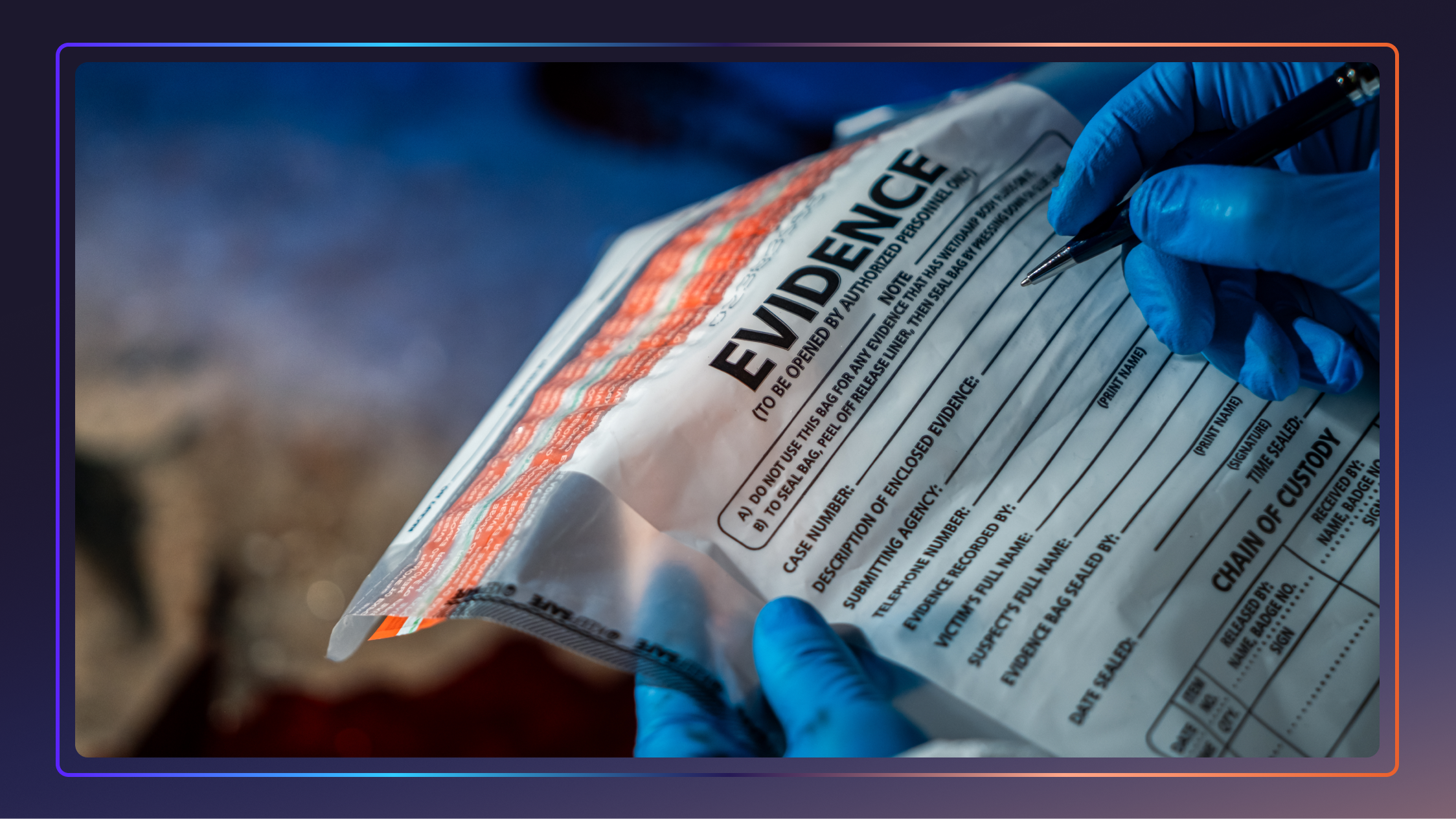
Audio recordings, depositions, body cam footage, jail calls, witness interviews — none of those fall under Part 161. They're governed by separate discovery rules and evidentiary standards.
That distinction matters because the evidence layer is where most AI risk (and most opportunity) actually lives in litigation. A tool that generates content you have to verify is one thing. But one that surfaces what's already in your evidence record, citing back to the exact timestamp, is something else entirely.
Where Rev Fits In
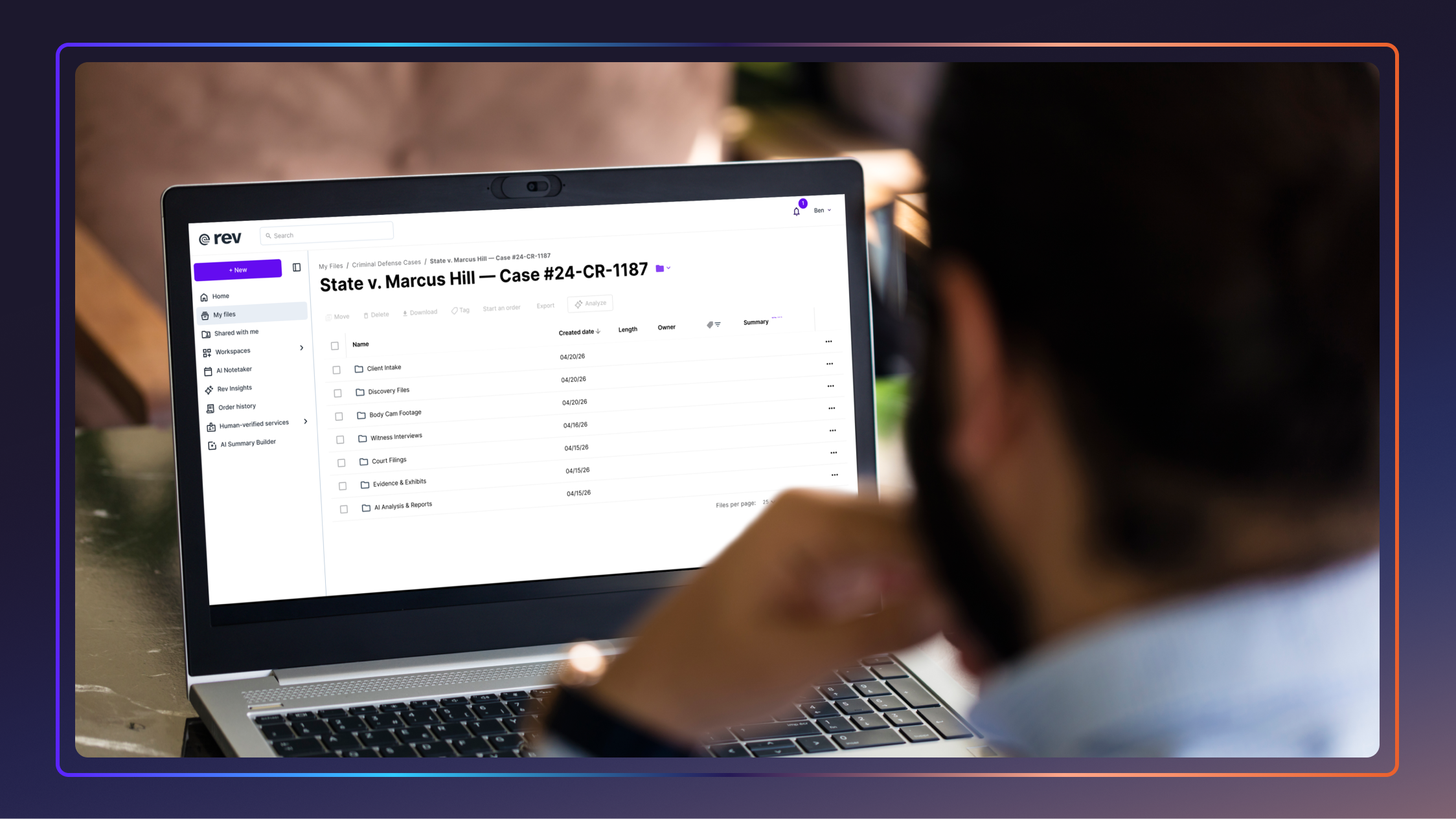
Rev is the only Investigative Intelligence Platform purpose-built for the evidence layer — processing, searching, and analyzing audio, video, and documents before the filing ever gets written.
Learn more about Rev’s legal transcription services in New York.
Part 161 doesn't regulate this work, but it does raise the stakes for getting it right. Rev is built for that accountability standard in three ways:
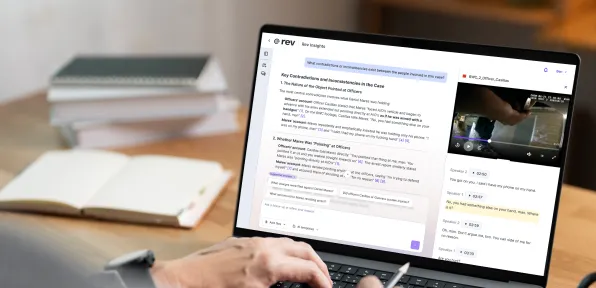
- Every output is tied to a timestamp and source file. Every impeachment clip, inconsistency flag, and quoted statement is citable back to the exact moment in the original recording — not generated from a model's best guess.
- Built for the hardest audio in legal practice. Rev's speech recognition was purpose-built for complex legal environments, not repurposed from consumer tools.
- Privilege-safe, closed-loop architecture. Rev will never share your data with third-party models or train on client evidence. We are CJIS and HIPAA compliant, and expert human review is available when precision is non-negotiable.
How these features benefit you will depend on your speciality. For example, litigators can search across multiple depositions simultaneously and build impeachment clips cited to the exact moment. Criminal defense and prosecution teams can find the exact detail buried in 40 hours of body cam footage before a suppression hearing. And PI, employment, and insurance teams can cross-reference recorded witness statements across multiple interviews without hours of manual review.
New York's Part 161 is not a reason to stop using AI. It's a reason to use the right AI — where every output traces back to a verifiable source, and the attorney's judgment stays exactly where the court expects it to be. Learn more about other state AI rulings, like Florida's recent AI Citation Ruling and Texas' AI laws and new ruling, on our blog.